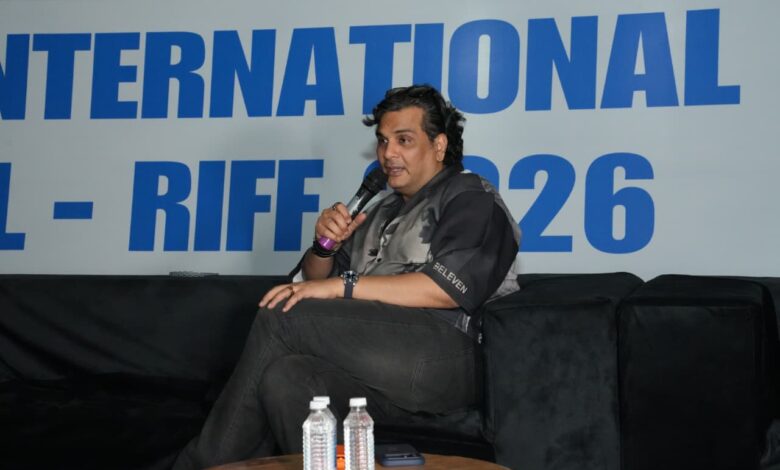
Theatre Creates Stars, Not Social Media”: Mukesh Chhabra’s Powerful Masterclass on Day Four of the RIFF 2026

Cinema as a Catalyst: Tourism, Investment and Cultural Identity at RIFF 2026
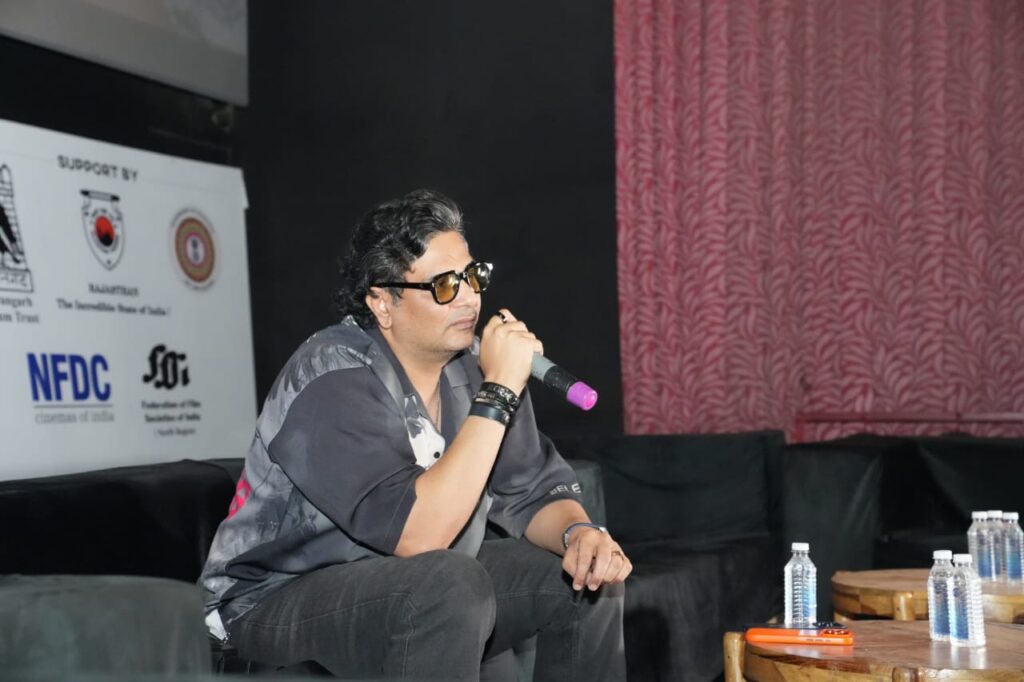
In a candid and motivating conversation, Chhabra delivered a clear message to aspiring actors: “Success is incomplete without struggle.” He emphasized that true stardom is built through theatre, discipline, and craft not merely through social media popularity.

Talent and Auditions Over Followers
Chhabra stated that the foundation of opportunities in the film industry continues to be talent and auditions, not follower counts. Whether one comes from theatre or digital content creation, sustained effort and artistic skill are what truly matter.
Highlighting his strong association with Rajasthan, he shared that he has visited the state nearly 20 times in the past three months, traveling across Jodhpur, Jaipur, Jaisalmer, and Bikaner. According to him, a positive creative shift is visible in the region.
The Journey into Casting and the Philosophy Behind It
Recounting his early days, Chhabra explained that he began his career in Delhi while working in a private company, initially assisting in children’s casting. What started casually eventually became his professional identity.
He clarified that casting is not about choosing actors it is about selecting the right character for the story. Correct casting, he noted, forms the very foundation of a film’s success.
Patience and Preparation Are Essential
Responding to audience questions, Chhabra reassured aspiring artists that delays in casting processes are normal and should not be interpreted as rejection. Casting companies wait for the right project and the right fit.
He encouraged artists to consistently train, engage in theatre, and refine their craft. “Talent never goes to waste,” he assured.
Awareness Against Fake Casting
Addressing concerns about fraudulent casting calls, Chhabra advised artists to verify every opportunity through official company pages before trusting calls, messages, or financial demands. Awareness and cross-verification, he stressed, are the best safeguards.
Training Matters More Than Social Media Fame
In another interaction, Chhabra emphasized that during casting, priority is given to training, theatre background, and acting ability, not Instagram popularity. Referring to institutions like National School of Drama, he noted that many deeply trained actors work silently without fame but are the true deserving talents.
“Instagram is a platform,” he said, “but popularity alone does not earn roles. Consistent practice and understanding of the craft ensure longevity.”
Missed Opportunities Are Not Failures
Speaking to young aspirants who missed opportunities during the lockdown, Chhabra advised them not to blame themselves. Casting depends on story requirements, and artists must continue building their individual identities rather than waiting for specific roles.
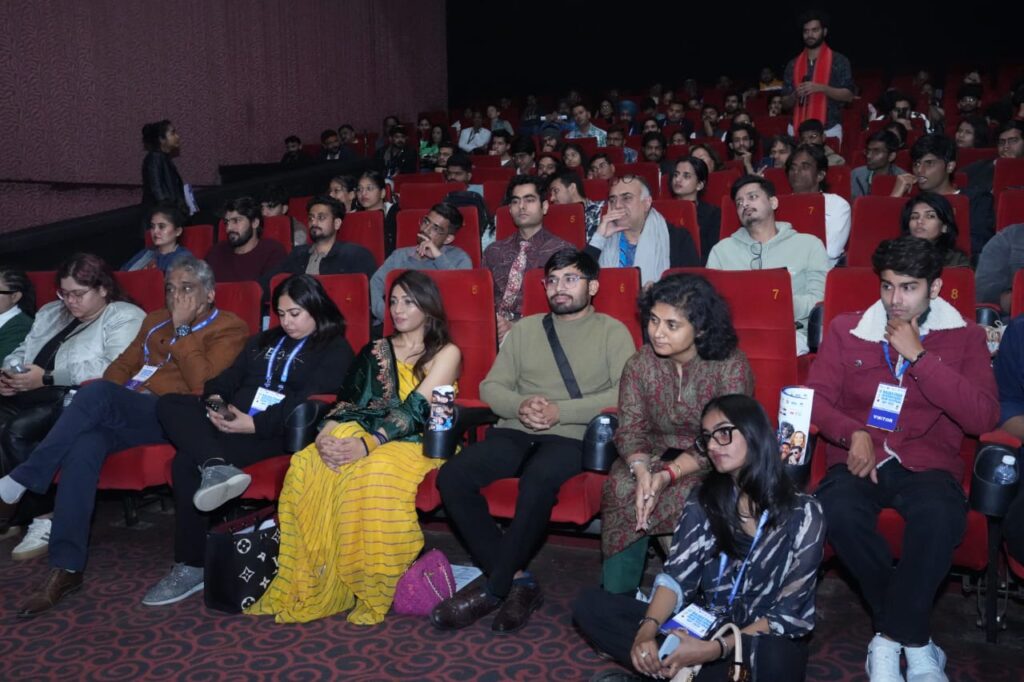
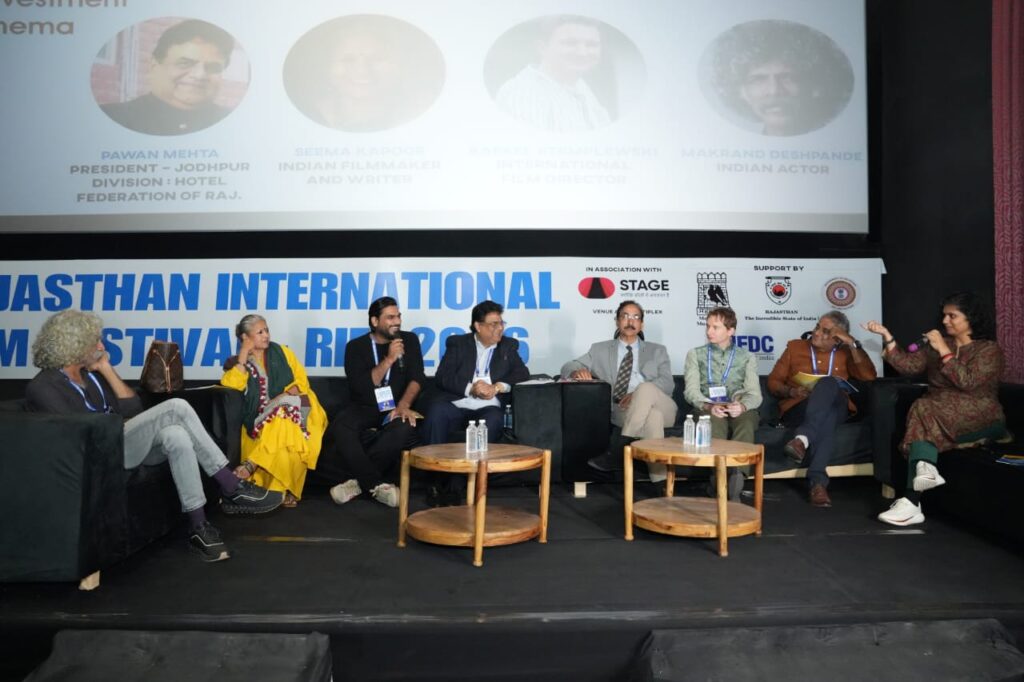
Later in the day, RIFF’s Open Forum “Promotion of Tourism, Investment and Cultural through Cinema” brought together filmmakers, artists, and policy experts to discuss how cinema can amplify tourism, investment, and cultural heritage
Actor Makarand Deshpande reflected on his deep connection with Rajasthan, stating that its soil, hospitality, and stories have shaped his cinematic sensibility. From Jaisalmer to Sikar, he described his shooting experiences as memorable and emotionally enriching. “Sand, climate, folklore, music, dance, and valor define Rajasthan,” he said, adding that films like Sarfarosh and Hum Dil De Chuke Sanam showcase the state’s cinematic beauty. He praised RIFF as a platform that honours emerging artists while promoting culture through cinema.
Filmmaker and writer Seema Kapoor shared her lifelong connection with Rajasthan, recalling her childhood memories of Jhalawar’s greenery, rivers, and hills. She highlighted the state’s cultural diversity and stressed the need for governmental support to preserve fading folk arts and independent cinema.
Foreign filmmakers investing in India receive incentives of up to 30%, with additional benefits for incorporating local stories and artists giving Rajasthani cinema renewed recognition and growth.
21 films were screened on the fourth day across genres including short films, feature films, documentaries, animation, and music videos.