Star Power Marks the Grand Finale of RIFF 2026

Thought-Provoking Open Forums and Masterclasses Bring Cinema Closer to Youth

From craft-focused discussions to powerful conversations on women, culture, and regional storytelling, the concluding day reflected RIFF’s core vision, creating a meaningful bridge between cinema and society.
He emphasized that film festivals serve as vital platforms for emerging artists and creative minds. Explaining the difference between theatre and screen acting, he noted “Theatre demands projection of energy and emotions to reach the last row.”
Screen acting requires controlled energy, subtle expressions, and emotional depth through the eyes.
He further highlighted that while theatre performances unfold linearly, films are shot non-linearly making theatre experience a powerful asset for actors transitioning to screen.
Soni stressed the importance of strong writing. He mentioned that even the finest actor cannot rescue a poorly written script. A good script elevates performance; a weak one limits it.”
For auditions, he advised actors to deeply understand the emotional core of scenes rather than merely delivering dialogues, as authenticity remains the true key to success.
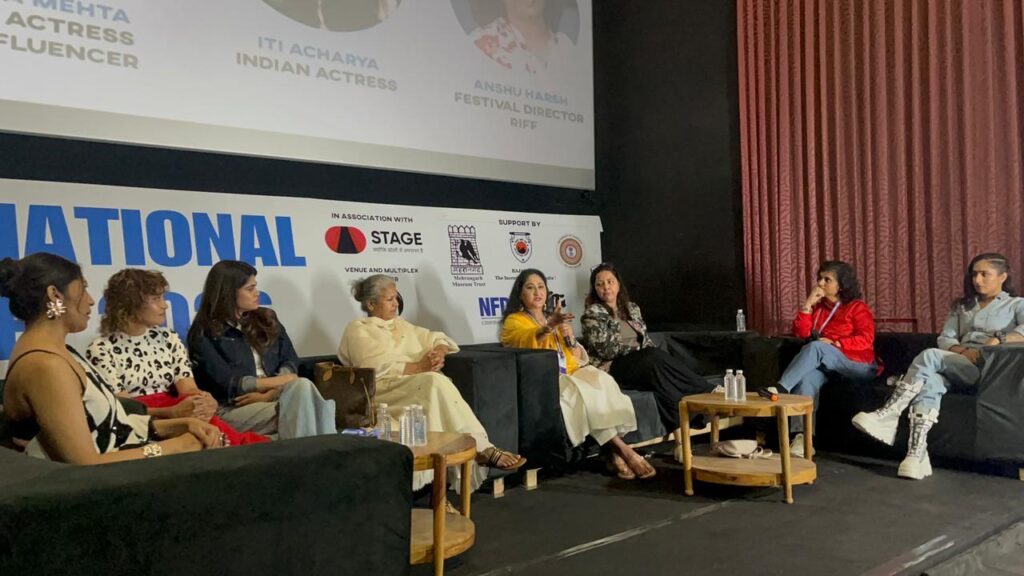
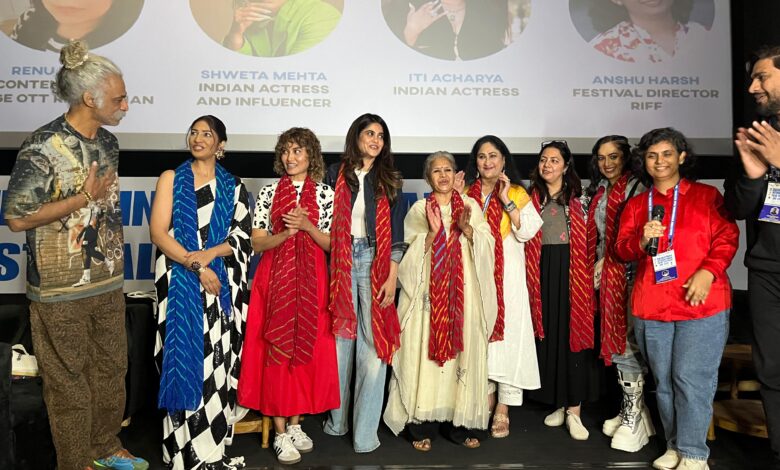
The women’s open forum brought together filmmakers and artists from across India and abroad for an empowering conversation on representation and resilience. The panel was moderated by Anshu Harsh. Co-Founder and Festival Director – Rajasthan International Film Festival
Director Nivedita Pohankar reflected that her greatest struggle was understanding herself as a writer and director. Self-discovery through writing, she said, is the most demanding yet transformative journey.
Aditi Pohankar emphasized discipline and preparation in acting. Auditions, rejection, and waiting, she said, are part of the process and must be embraced rather than resisted.
Jayati Bhatia shared how theatre and dance helped her overcome self-doubt. Despite facing rejections in Mumbai based on appearance, she focused on remaining a “working actor,” which she considers her greatest strength.
Fitness icon Shweta Mehta addressed stereotypes faced by muscular women in acting. She revealed that her physique often led to assumptions that she was unsuitable for sensitive or romantic roles.
Stage OTT Rajasthan’s Content Head, Renu Rana, spoke about her two-decade journey in the industry. She highlighted how increased female participation in content creation has transformed storytelling, with recent Rajasthani web series portraying women as protagonists and even anti-heroines. “Women are carriers of culture,” she said, “and without them, cinema’s emotional depth remains incomplete.”
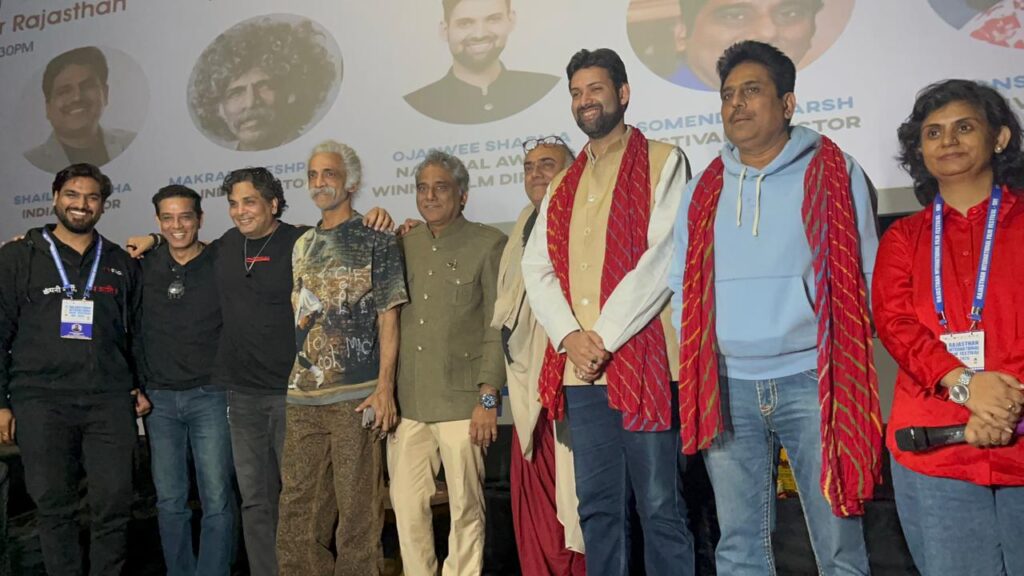
Ojaswee Sharma described film festivals as powerful cultural bridges that enable cinematic exchange across languages and states, nurturing emerging talent.
Actor and poet Shailesh Lodha expressed concern over the declining culture of deep reading and reflective viewing. In an era of 20-second reels, he said, three-hour cinema and theatre demand patience. “Culture is not built through tickets, but through values,” he remarked, urging greater encouragement of Rajasthan’s diverse dialects and storytelling traditions.
Praveen Singhal observed that even if participation numbers are modest, those attending festivals are genuinely eager to learn and grow. Festivals in smaller cities, he said, connect local youth to cinema and open new creative directions.
Rajit Kapur emphasized that film festivals fulfill their purpose when common citizens actively participate. He encouraged the responsible use of social media to spread awareness and praised RIFF’s commitment to promoting local languages like Rajasthani and Marwari.
Somendra Harsh reiterated that RIFF’s traveling model aims to take cinema beyond metropolitan cities and closer to Rajasthan’s people. He noted that Rajasthani-language films received the strongest audience response. Despite being a non-profit and free-entry festival, RIFF’s masterclasses and dialogue sessions drew remarkable appreciation.
Makarand Deshpande described film festivals as platforms that keep thought, dialogue, and culture alive. He stressed that small-city festivals inspire local youth and help theatre and regional cinema gain recognition.
Mukesh Chhabra added that festivals provide not just opportunities but direction. In casting, he emphasized, sincerity, preparation, and craft matter more than appearance, and such forums reduce the gap between theatre, cinema, and casting.
Through masterclasses, open forums, and meaningful exchanges, RIFF once again positioned Rajasthan as a growing hub of creative conversation where tradition meets contemporary cinematic vision.